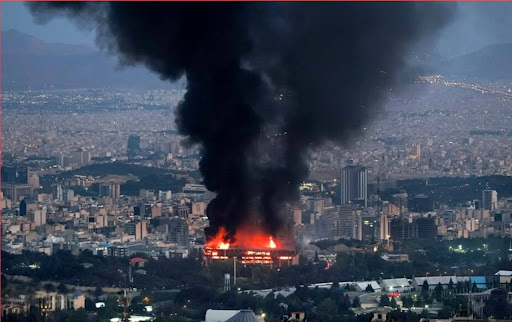
Military analysts and economists issued urgent warnings on Saturday that the United States had no coherent strategy to end its conflict with Iran and that the absence of a diplomatic exit plan risked producing a global economic catastrophe. Oil prices were already near $120 per barrel due to Iran’s closure of the Strait of Hormuz, and experts warned they could surge to $150 if Kharg Island’s oil export capacity was fully destroyed. The strait normally carries about 20 percent of global oil and gas, and its continued closure was inflicting mounting damage on economies worldwide.
President Trump showed no inclination toward negotiation. He said publicly he was not ready to deal with Iran because the terms were not good enough and refused to provide any timeline for ending the conflict. At the same time, his call for allied warships from China, France, Japan, South Korea, and the UK to help reopen the Strait of Hormuz suggested he was aware that unilateral military action might not be enough. The war, now in its third week since it began on February 28, continued to intensify on all fronts.
Iran demonstrated on Saturday that it retained the capacity and willingness to escalate. Ballistic missiles struck the UAE, disrupting oil operations at Fujairah and prompting warnings for civilians near UAE ports and US installations to evacuate. Iranian commanders threatened to attack any Gulf energy or economic facility with American ties. Iran’s foreign minister demanded Arab states remove US forces from their territory. Despite the sustained bombing it had endured, Iran’s government appeared structurally intact and capable of executing its strategy, according to analysts at the International Crisis Group.
The US and Israel pressed on with their air campaigns. US planes struck Kharg Island again on Saturday and conducted additional raids across Iran. Israeli warplanes launched dozens of strikes aimed at degrading Iran’s missile systems and weakening its security forces. At least 15 people died in an Israeli strike on an Isfahan factory. US Defence Secretary Pete Hegseth claimed Iran’s leadership was hiding underground and that Supreme Leader Mojtaba Khamenei had been wounded, though Iranian officials disputed the severity of his injuries.
The toll from the conflict was becoming staggering. Between 1,400 and 1,800 Iranians had been killed under relentless bombing. Thirteen Israelis and about 20 Gulf residents had also died. Lebanon’s crisis worsened, with over 800 dead and 850,000 displaced from Israeli strikes on Hezbollah. The US embassy in Baghdad was hit by missiles overnight, and all Americans in Iraq were ordered to leave immediately. Six US troops died in a military aircraft crash in western Iraq. Analysts said Trump faced a rapidly closing window to end the war before its economic and human costs became impossible to contain.
With No Exit Strategy in Sight, Analysts Fear Economic Catastrophe Looms