

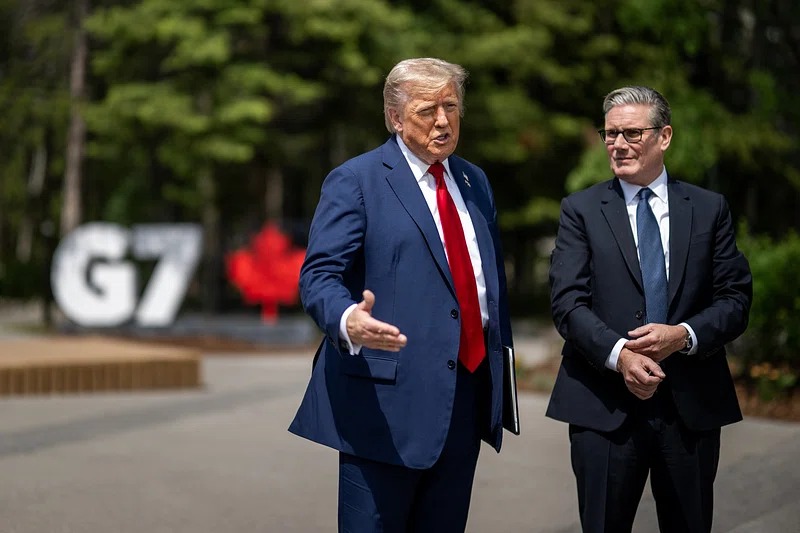
The Iran conflict has done more than test the state of the current relationship between Britain and the United States — it has raised fundamental questions about Britain’s future military posture and the kind of ally it intends to be in an era of increased great-power competition.
The episode began with Britain declining to allow American forces to use its military bases for strikes on Iran, a decision driven in part by the internal dynamics of the governing Labour Party. The refusal triggered a public diplomatic crisis that left British officials scrambling to manage the fallout.
The American president’s criticism — personal, public, and pointed — was followed by the secretary of state’s remarks at an international conference drawing distinctions between reliable and unreliable allies. The combined effect was to put Britain’s commitment to the Western alliance under a level of scrutiny it had not experienced in recent memory.
When Britain eventually granted limited access, framing it as a defensive measure to protect British lives, American bombers arrived at a British base and operations began. The UK defence establishment pointed to the contribution as evidence of British commitment — but the narrative had already been set by the preceding weeks of hesitation.
The question of what kind of ally Britain intended to be — in this conflict and beyond — was now one that politicians, strategists, and the public would need to address. The answer would shape the country’s relationships and its standing in the world for years to come.
