

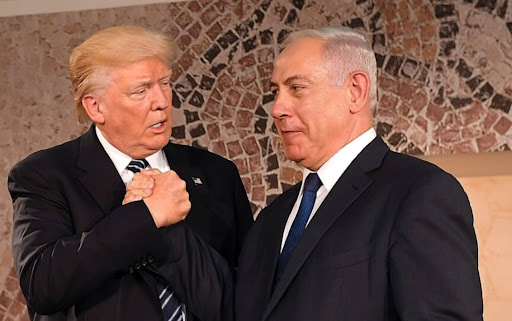
Israeli Prime Minister Benjamin Netanyahu struck a delicate balance this week, simultaneously defending Israel’s right to act on its own military judgment and pledging unwavering loyalty to the US-Israel alliance. The occasion was the fallout from Israel’s strike on Iran’s South Pars gas field — a move that US President Donald Trump said he had explicitly advised against. Netanyahu’s response was to own the decision, accept a limited constraint going forward, and frame the entire episode as a testament to the strength rather than the fragility of the partnership.
The South Pars facility is the backbone of Iran’s energy economy, and its targeting by Israeli forces set off retaliatory Iranian strikes across the Middle East. Energy markets lurched upward, Gulf states protested to Washington, and Trump said publicly that he had warned Netanyahu not to proceed. The episode attracted international attention precisely because of the rarity of such visible disagreement between the two close allies.
Netanyahu confirmed that Israel acted alone but agreed not to continue striking the gas field, in deference to Trump’s request. His public language was careful and respectful — he called Trump “the leader” and described himself as the ally — while his underlying message was that Israel had made the right call and would continue to make its own calls when necessary. The commitment was narrow and specific, not a broad pledge of deference.
Multiple sources reported that Washington had prior knowledge of the attack, complicating Trump’s early social media post denying any foreknowledge. US officials subsequently stressed that coordination between the two militaries is ongoing and that American strategy reflects American priorities. The need to make these clarifications indicated that something had gone wrong in the alliance’s communication, even if the overall relationship remained intact.
Netanyahu’s broader framing — that he and Trump are fighting the same enemy for the same reasons — is accurate in some respects. But it glosses over real differences in ultimate goals, which Director of National Intelligence Tulsi Gabbard acknowledged in congressional testimony. Trump wants nuclear containment. Netanyahu wants a different Middle East. These different visions will continue to generate friction, even as both leaders insist the alliance is strong.
