
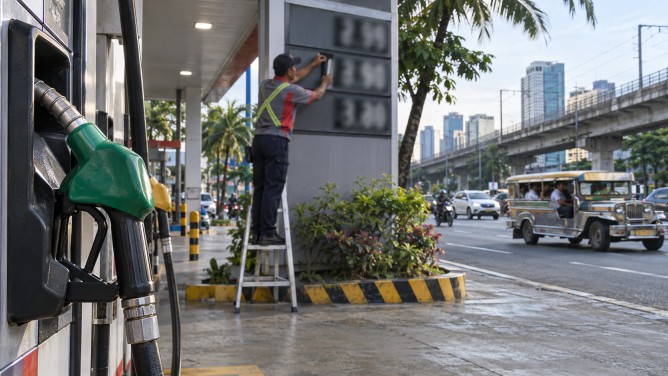
Motorists and consumers in the Philippines can expect to see further relief at the pump as fuel prices are set to decrease for the third consecutive week. Starting Tuesday, November 24, oil companies will implement reductions that will lower gasoline prices by PHP 3 per litre, diesel by PHP 2.60 per litre, and kerosene by PHP 1.60 per litre. This continuing trend of price cuts offers a welcome reprieve following last week’s adjustments, which saw gasoline decrease by PHP 1.50 per litre, diesel by PHP 3.80, and kerosene by PHP 5.80.
The consecutive weeks of price reductions provide significant savings for motorists who have been burdened by fluctuating fuel costs. The adjustment reflects changes in the global oil market and offers some financial relief to consumers amid ongoing economic pressures. The decline in prices is expected to positively impact household budgets and transportation costs, allowing for more discretionary spending.
The consistent decrease in fuel prices underscores the dynamic nature of the oil market, which can be influenced by a variety of global factors, including supply levels, geopolitical tensions, and shifts in demand. As a result, consumers and businesses alike must remain adaptable to these changes, which can have a ripple effect on the broader economy.
While the immediate impact is beneficial for consumers, the long-term trajectory of fuel prices remains uncertain. Market analysts continue to monitor international trends and local developments that could influence future pricing. For now, however, the reduction in fuel costs is a positive development for the driving public and businesses reliant on fuel.
The continued decrease in fuel prices also serves as a reminder of the importance of energy efficiency and the potential benefits of diversifying energy sources. As the Philippines navigates these economic shifts, the focus may increasingly turn towards sustainable solutions that can mitigate the impact of volatile fuel prices in the future.