
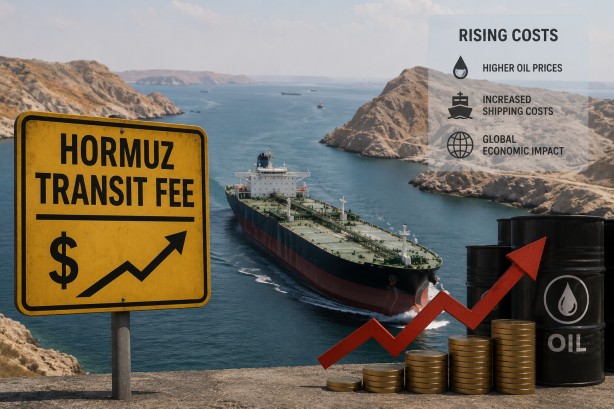
Iran and Oman have put forward a proposal to introduce transit fees for ships navigating the Strait of Hormuz, a strategic move that could potentially escalate costs in the global energy market. The proposed charge is approximately $1 per barrel of oil transported through this vital waterway. Considering that Brent crude is currently trading near $86 per barrel, this fee would equate to about 1.2% of the oil’s value.
The Strait of Hormuz is a critical marine passageway, facilitating around 20% of the world’s oil consumption. Based on current shipping volumes, the proposed transit fee could generate an estimated $6.8 billion in annual revenue. This figure could surpass the income derived from transit fees of the Suez Canal, establishing one of the most lucrative maritime revenue streams worldwide.
While the proposed fee may seem nominal, experts caution that it could lead to higher shipping costs, which in turn might impact fuel prices, air travel expenses, freight rates, and the cost of imported goods globally. Proponents of the fee suggest that an established and transparent fee structure might mitigate the financial impact of potential disruptions or temporary closures of the Strait, which have historically caused spikes in energy prices and market volatility. Nonetheless, there are concerns regarding the long-term stability and enforceability of such an agreement.
This development is also prompting Gulf countries to explore alternative export avenues. The United Arab Emirates is investing in pipelines and ports that bypass the Strait, while Saudi Arabia is enhancing its East-West pipeline to decrease dependency on Hormuz. Analysts suggest that these infrastructure investments might gradually decrease the volume of oil transiting through the Strait, potentially affecting the long-term revenue from any future transit fees.