
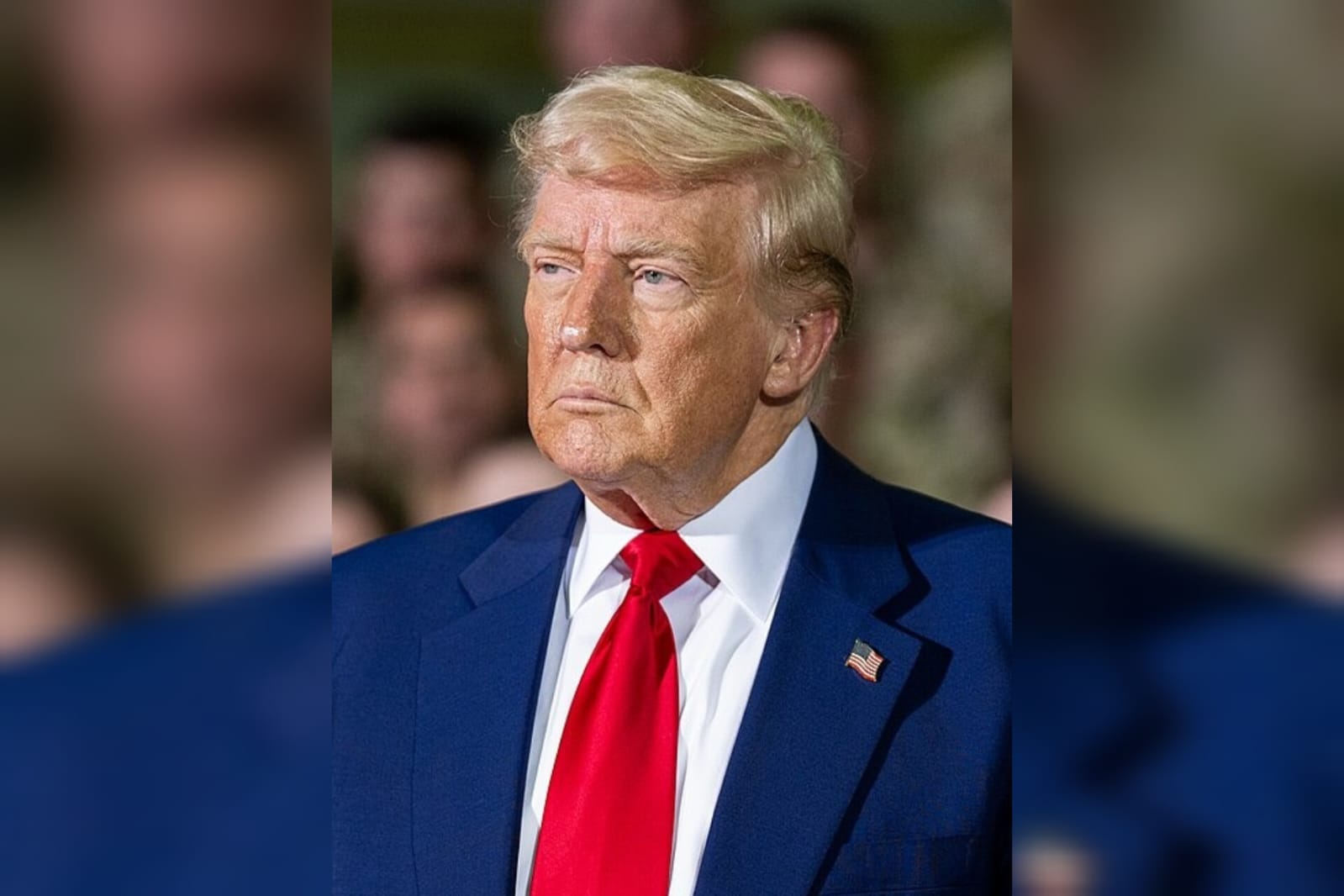
The U.S. has opted not to renew its waiver on sanctions for Russian oil purchases, a move that could escalate pressure on Moscow. This decision aligns with a new agreement between Washington and Tehran, aimed at stabilizing global energy markets. The waiver had previously allowed certain Russian seaborne oil transactions to continue despite sanctions on major producers like Rosneft and Lukoil. As the deadline passed without an extension, the Trump administration appears to be intensifying its efforts to reduce Russia’s oil revenues, a strategy linked to the ongoing conflict in Ukraine.
While officials haven’t explicitly stated that full restrictions will automatically resume, recent comments from the administration suggest a shift toward stricter enforcement. President Donald Trump has associated this decision with declining global oil prices, asserting that an increase in supply from the Middle East diminishes the necessity for these exemptions. This development coincides with a U.S.–Iran agreement expected to reintroduce Iranian oil to global markets, facilitated by eased sanctions and a 60-day negotiation framework.
The reentry of Iranian oil could significantly influence global energy policy, potentially reshaping supply flows and mitigating price volatility. Analysts predict that although Iranian exports will gradually rise as the deal takes effect, it may take time to fully restore production and shipping capacities. The combination of tighter restrictions on Russian oil and the anticipated influx of Iranian barrels could substantially alter the global oil landscape in the near future.
As of now, the White House has not disclosed any plans for additional sanctions, but officials have emphasized that factors such as energy prices, market stability, and geopolitical consequences will be vital considerations in future policy decisions. The broader implications of these developments suggest a concerted effort to realign energy strategies on a global scale, with potential shifts in market dynamics and geopolitical relations.