
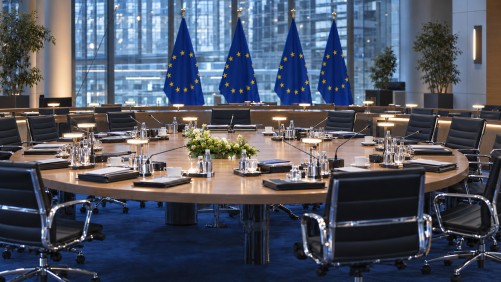
The European Union is facing crucial decisions that could reshape its financial future as European affairs ministers convene in Brussels to discuss the upcoming seven-year budget. The budget, proposed at €1.9 trillion for 2028-2034, is under intense scrutiny as member states like Germany, Denmark, the Netherlands, Sweden, and Austria advocate for substantial cuts, potentially impacting funding for agriculture and regional cohesion.
The meeting, guided by Ireland’s presidency of the Council of the European Union, seeks to find a consensus on budget priorities and financial contributions from member states. Complicating matters, the EU must also begin repaying post-Covid recovery loans starting in 2028, necessitating annual payments of approximately €24–€25 billion. This financial obligation adds pressure to the budget negotiations, highlighting the need for strategic fiscal planning.
To address these financial challenges, the EU is exploring new revenue streams, such as channeling carbon-related levies, large company contributions, and taxes on electronic waste into the EU budget. These measures could potentially generate around €44 billion each year. Additional revenue proposals include taxes on cryptocurrencies, large technology firms, and a gambling levy, though these require unanimous approval from all member states, adding another layer of complexity to the discussions.
As part of its efforts to reach an agreement during its presidency, Ireland is drafting a negotiating framework. This preparatory work aims to pave the way for discussions at the European Council level during an EU leaders’ summit in October. The outcome of these negotiations could significantly influence the EU’s fiscal strategy and priorities over the next decade.
In a separate development, the EU and the Philippines have announced significant progress toward a free trade agreement, a negotiation process that began in 2016 and resumed in 2024. The proposed agreement aims to eliminate tariffs on over 97% of bilateral trade, potentially boosting the already substantial trade, which reached €17.6 billion in goods and €10.3 billion in services last year. Both parties are hopeful for a concluded deal in the near future, promising to enhance economic ties.