
The recent decision by Singapore’s government to adjust political salaries is set to affect current officeholders with increases of up to 9% from October 15, 2026. This move aims to ensure that capable individuals continue to consider political careers, reflecting a commitment to attract talent while upholding public service values.
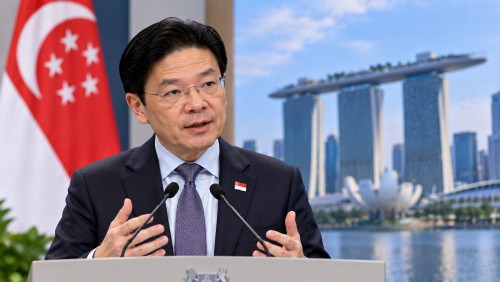
Singapore Prime Minister Lawrence Wong, addressing Parliament during a debate on the country’s political salary framework, underscored the importance of attracting new generations willing to assume public responsibilities. He shared his personal journey into politics as a “complete leap of faith” when he left his role as chief executive of the Energy Market Authority in 2011 to enter public service without knowing what future awaited him.
Wong’s decision to leave his civil service position came at a cost; he forfeited his pension by resigning just shy of the required 15-year service period. Despite these uncertainties, Wong was driven by a commitment to contribute to Singapore’s development. His political journey began with his election to Parliament in 2011, a path that later led to several ministerial roles before becoming the prime minister.
During his remarks, Wong emphasized that political service involves navigating difficult choices, setting strategic priorities, and being accountable for government decisions. The salary adjustments, recommended by an independent review committee, are part of a broader objective to maintain the principle that public office should be pursued primarily out of a desire to serve.
Wong’s story highlights the personal sacrifices and challenges faced by those entering politics in Singapore, underscoring the government’s goal of ensuring that political careers remain an attractive option for talented individuals committed to public service.