
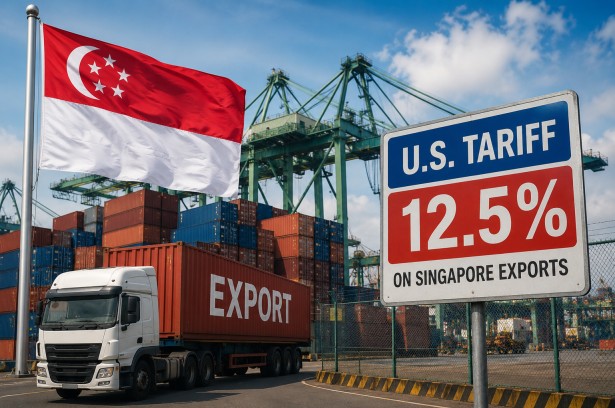
The U.S. government has introduced a new tariff of 12.5% on roughly a third of Singapore’s domestic exports, attributing the decision to concerns about the enforcement of laws against forced labor. This measure is part of a larger trade policy that affects numerous global economies. In response, Singapore has dismissed the accusations, asserting that it maintains a robust legal framework to combat forced labor and that such practices are not permitted within its borders. The Ministry of Trade and Industry has expressed its intention to continue engaging with U.S. trade officials to gain a clearer understanding of the tariff’s implementation.
Despite the new tariff, several significant categories of Singaporean exports will remain unaffected. These include pharmaceuticals, semiconductors, certain electronics, aerospace products, and energy products, as well as goods already subject to other specific U.S. tariffs. This exemption provides some relief to sectors that might have otherwise faced increased trade barriers.
Business groups have voiced concerns that the imposition of this tariff could create additional uncertainty for manufacturers and exporters. The worry is compounded by an ongoing U.S. investigation that might lead to further trade measures. Such developments could potentially disrupt established trade relationships and economic stability.
Industry leaders have advised companies to seek diversification in their export markets and to enhance the resilience of their supply chains. This strategic shift is seen as necessary to mitigate the risks associated with evolving trade policies and to safeguard business operations against unforeseen economic challenges.