
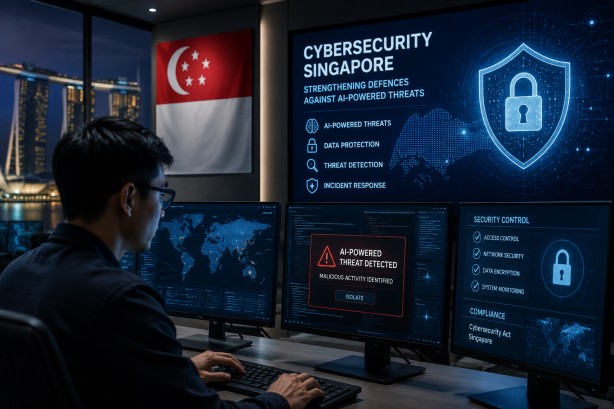
In an effort to bolster defenses against increasingly sophisticated cyber threats, Singapore has implemented enhanced cybersecurity protocols for operators managing critical information infrastructure (CII). The updated regulations, outlined in the Cybersecurity Code of Practice, mandate the use of a locally developed intrusion detection system and require that cybersecurity oversight be elevated to the board level. These rules are applicable to 11 crucial sectors, including banking, energy, healthcare, telecommunications, transport, water, and government.
The introduction of these stringent measures comes in response to recent cyberattacks targeting major telecommunications companies in Singapore. With the advent of artificial intelligence, there is growing concern that attackers are more adept at identifying system vulnerabilities and executing advanced cyberattacks. Consequently, authorities are emphasizing the need for organizations to strengthen their cybersecurity governance and resilience.
Singapore’s move to tighten cybersecurity protocols underscores the urgency of protecting its critical national infrastructure. By ensuring that CII operators deploy advanced detection tools and maintain robust oversight, the city-state aims to mitigate the risks posed by AI-powered cyber threats. This proactive approach reflects a broader strategy to safeguard essential services against potential digital disruptions.
Authorities have stressed the importance of continuous improvement in cybersecurity practices, urging organizations to regularly review and update their frameworks. The emphasis on board-level involvement highlights the need for strategic oversight in managing cyber risks effectively. These developments signal a comprehensive effort to enhance the nation’s cyber resilience and secure its key infrastructure sectors.