
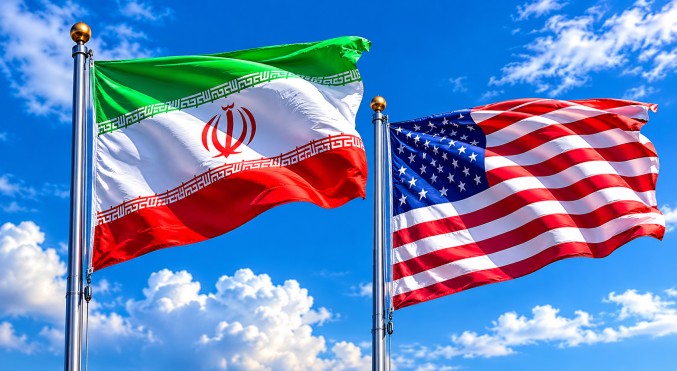
Amid heightened tensions, Iran and the United States have shown some signs of progress in their ongoing negotiations. Iranian officials have noted that the differences between the two nations have narrowed recently, with talks centered around achieving a broader ceasefire and reducing regional tensions. Esmail Baghaei, spokesperson for the Foreign Ministry, mentioned that the current focus of these negotiations is to end hostilities, with nuclear issues to be addressed subsequently.
In Washington, US Secretary of State Marco Rubio also recognized the forward movement in diplomatic efforts, indicating that further developments might be on the horizon. The United States has consistently maintained that Iran must not acquire nuclear weapons and has called for assurances concerning uranium stockpiles and the reopening of the Strait of Hormuz.
Despite these diplomatic efforts, Iranian parliament speaker Mohammad Bagher Ghalibaf issued a stern warning, stating that any renewed US military strikes would provoke a strong response from Iran. Ghalibaf also claimed that Iran has managed to rebuild certain aspects of its military capabilities after weeks of conflict and a fragile ceasefire.
In an effort to mediate between Tehran and Washington, Pakistan has continued its diplomatic role. The country’s army chief has held meetings with Iran’s top leadership in Tehran, which have been described by officials as constructive. These discussions aim to facilitate another round of direct negotiations between the US and Iran.
The ongoing diplomatic dialogues occur against the backdrop of mounting concerns over regional stability, global energy supplies, and the potential for further escalation in the Middle East. As both sides work towards a resolution, the international community remains watchful of any developments that could impact the region’s future.